TMT stress-test systems, standardised across a buying group
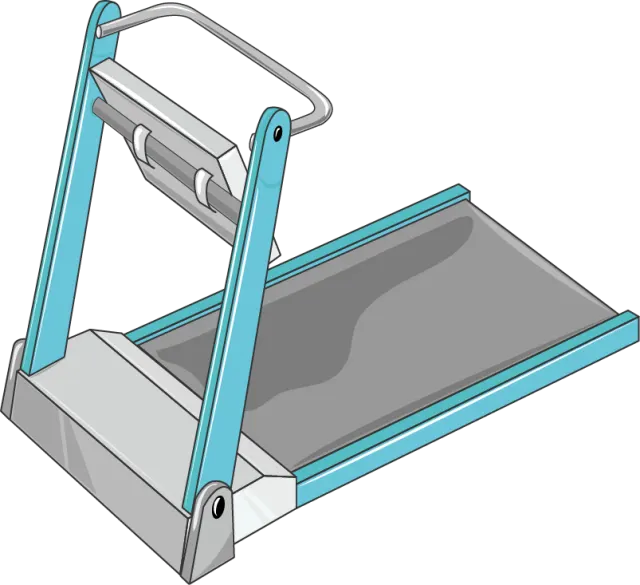
Treadmill stress-test system for the cardiology outpatient department.
The range above is an indicative planning figure taken from our own research, not a quotation and not an offer. buytogethr is pre-launch and has closed no pools.
What you are actually buying
A TMT installation is a treadmill, a stress ECG acquisition unit, a blood-pressure module and the software that runs the protocol, records the trace and produces the report, usually on a trolley or a fixed workstation. Quotes diverge on motor rating, maximum patient weight, speed and elevation range, on the number of ECG channels and how well the system handles motion artefact at peak exercise, on the protocol library, and on whether reports export into the hospital record at all. The usual mistake is treating it as a treadmill purchase and choosing the lowest-priced deck, which then cannot take the department's patient mix or hand its traces to anyone else.
Why tmt suits collective purchasing
The ticket is modest and the category still pools cleanly, which is precisely its value. The specification is short and standardises almost completely across institutions, so there is little to argue about at the technical stage. The supply side spans imported and Indian manufacturers, giving a reverse auction real competitors. And because no single institution ever buys enough units to negotiate, everyone currently pays the single-unit price. That combination makes TMT a sensible category for a group's first pooled purchase, where the process can be rehearsed end to end before it is run on a scanner.
Pin down before price
- Treadmill motor rating, maximum patient weight, and the speed and elevation ranges the protocols require
- ECG channel count, sampling rate and demonstrated artefact handling at peak exercise
- Protocol library, and whether the department can configure its own protocols
- Report export: file formats, hospital record integration and where trace data is retained
- Emergency provision expected in the room, stated in the specification so quotes remain comparable
What drives ten-year cost
- Electrodes and recording paper, ordered continuously for as long as the system runs
- Belt, deck and motor wear: on a treadmill the mechanical parts fail long before the electronics
- Software licence and update terms for the reporting package, including support after a version change