Buy together.
Pay the bulk price.
We aggregate demand. You get buying power.
Bulk purchase pricing without a bulk purchase order. You buy one machine and get the price a buyer of forty gets: forty nursing homes purchasing separately pay forty separate prices, but pooled they negotiate as one. We aggregate the requirement, qualify the suppliers and run a reverse auction. You buy directly from the manufacturer.
- Founding membership free
- No commitment to buy
- Spec qualified before price
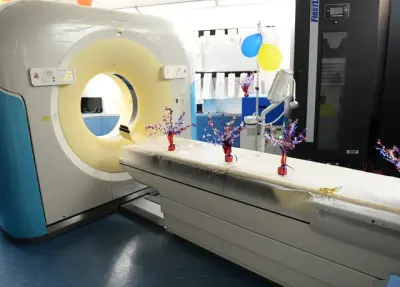
16-slice CT scanner
Qualified OEMs bidding · 3-yr warranty + 7-yr CMC
Illustration of the mechanism using the founder’s modelled economics. buytogethr is pre-launch — these are not live pools.
Group purchasing by department
Healthcare is open first — it is where standardised specifications and fragmented buyers overlap most. The other three run on exactly the same engine.
How collective purchasing works, step by step
Collective purchasing run the way a state medical-supply corporation runs it, opened up to private institutions — demand aggregation, supplier qualification, then a reverse auction awarded on ten-year total cost of ownership.
Aggregate the demand
Institutions register a requirement and a timeline. Nothing is committed and nothing is paid — the pool simply establishes how much demand exists in one window.
Standardise the specification
One technical specification is written for the pooled requirement, so every bidder quotes the same machine. Clinical and engineering specification is never traded away for price.
Qualify the suppliers
OEMs and authorised distributors are qualified on manufacturer authorisation, past performance, end-user certificates, financials and demonstration — before any price is opened.
Run the price competition
Only technically qualified bidders enter an online reverse auction, with a minimum decrement and automatic extension so the close cannot be sniped.
Award on ten-year cost
Lowest is judged on total cost of ownership over ten years — machine, turnkey, software, accessories, transport, insurance, taxes, warranty, maintenance contract, tubes, uptime and training.
Buy directly, individually
Each institution raises its own purchase order against the negotiated price and pays the OEM or dealer directly. buytogethr never takes title, never holds stock and never holds your money.
Bulk purchase catalogue — 105 line items institutions buy separately today
Every item here is bought one institution at a time, at one institution's price. Pooled, the same requirement is a bulk purchase.
Healthcare Open now
Equipment specifications are already standardised and the buyers are fragmented — the two conditions aggregation needs.
Imaging & diagnostics
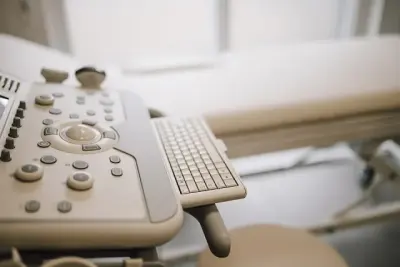
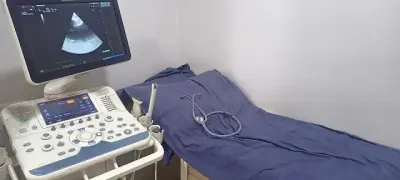
Basket A high-value equipment — group negotiation plus financing/lease. Diagnostics and high-end imaging are the major cost drivers inside the Rs. 3–15 crore equipment budget of a 100-bed hospital, and CT is the flagship pooled buy (10 machines at 12% saving turns Rs. 15.0 crore into Rs. 13.2 crore).
Poolable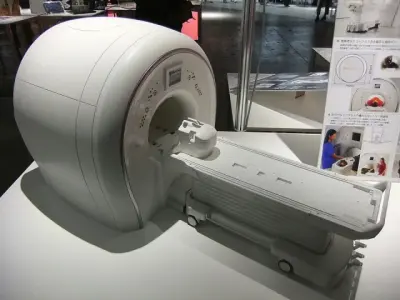
 Poolable
 Poolable
 Poolable
 Poolable
 Poolable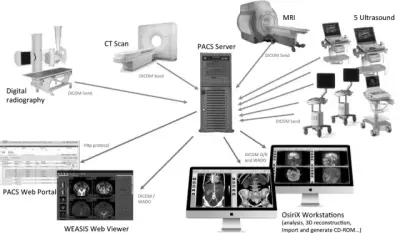
Operation theatre & CSSD
Official Level-2 standards identify OT equipment and CSSD as core hospital requirements, and surgical instruments are the single most-standardised purchase category in the L.E.K. survey (42% of private hospitals).
 Poolable
 Poolable
 Poolable
 Poolable
 Poolable
 Poolable
ICU, emergency & critical care
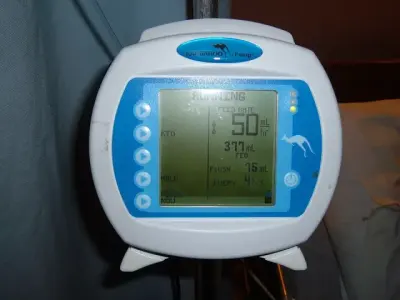
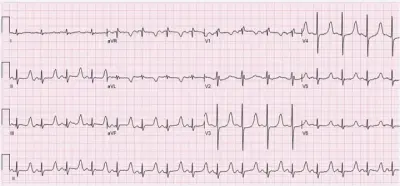
Another high-value recurring-consumption market, and Basket B for group purchase plus AMC. The worked pooling example: 20 medical colleges needing 120 multipara monitors, 40 ventilators, 25 ECG machines, 30 defibrillators and 100 infusion pumps — 315 units quoted as one requirement.
 Poolable
 Poolable
 Poolable
 Poolable
 Poolable
 Poolable
 Poolable
 Poolable
 Poolable
Orthopaedics & implants
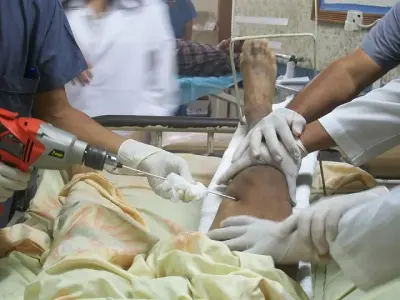
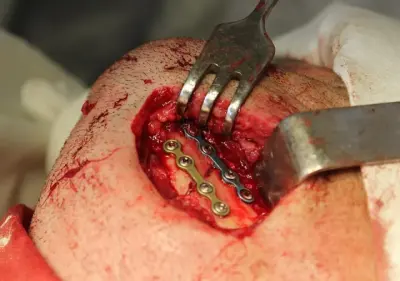
Particularly attractive for a Buy Together model because implants and surgical consumables carry high ticket values — subject to surgeon preference, regulatory requirements and implant compatibility. Also the add-on 'Ortho Package' for a new nursing home.
 Poolable


Obstetrics, gynaecology & neonatal
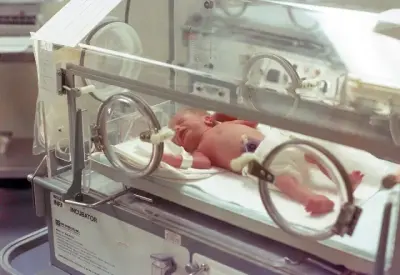
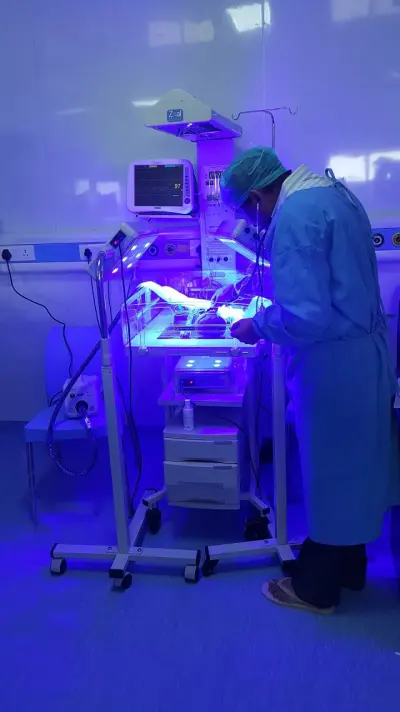
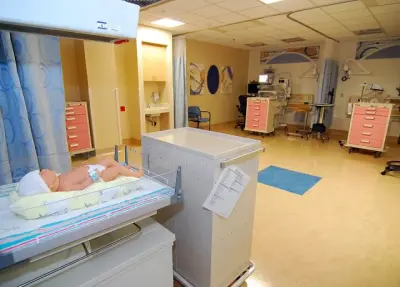
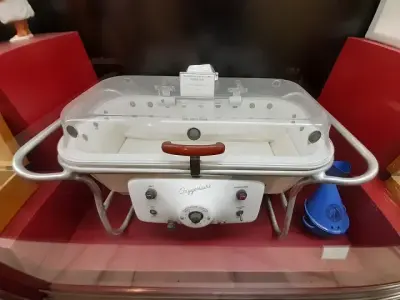
The 'Obstetrics & Gynaecology Package' add-on for a new nursing home, and a standing pooled category for medical colleges (delivery tables, fetal monitors, ultrasound; neonatal equipment, warmers, phototherapy).
 Poolable
 Poolable
 Poolable
 Poolable
 Poolable
 Poolable
Laboratory & pathology
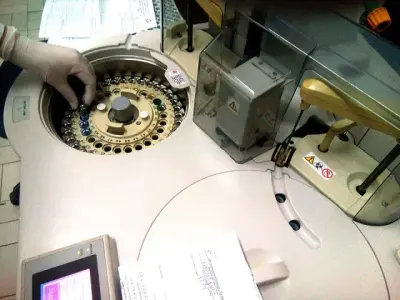
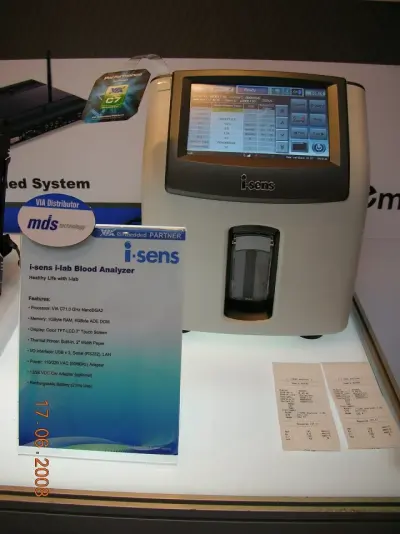
Analysers, centrifuges and microscopes are a standing pooled category for medical colleges, and the analysers drag a monthly reagent, tube and container spend behind them.
 Poolable
 Poolable
 Poolable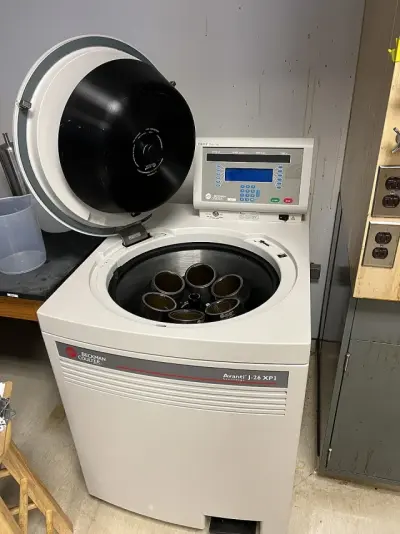
Specialty departments — eye, ENT, urology, neuro
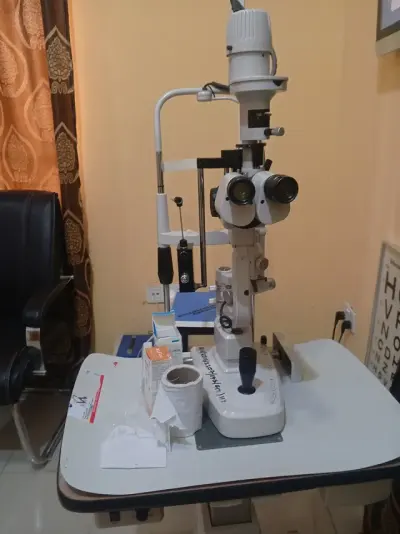
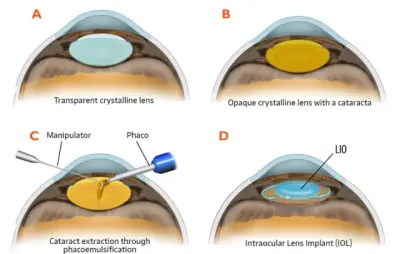
Department-specific capital equipment from the nursing-home inventory. Smaller ticket sizes than imaging, but highly standardised, which is exactly what makes them aggregable across many similar-sized nursing homes.

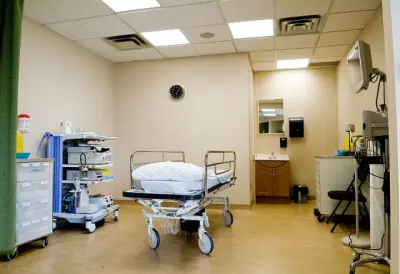
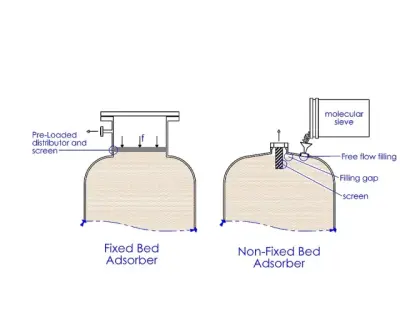
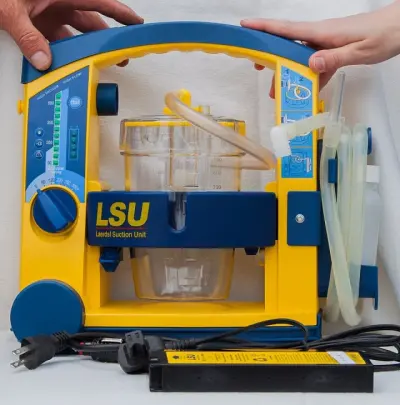
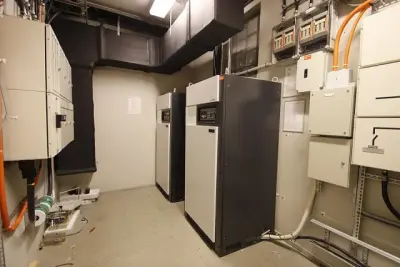
Hospital furniture, oxygen & utilities
The 'BUILD' stage of the New Nursing Home Journey — furniture, medical gases, electrical/UPS and HVAC coordinated before equipment arrives. Beds and ward furniture are also a standing pooled category for medical colleges.
 Poolable
 Poolable
 Poolable
 Poolable
 Poolable
 Poolable
 Poolable
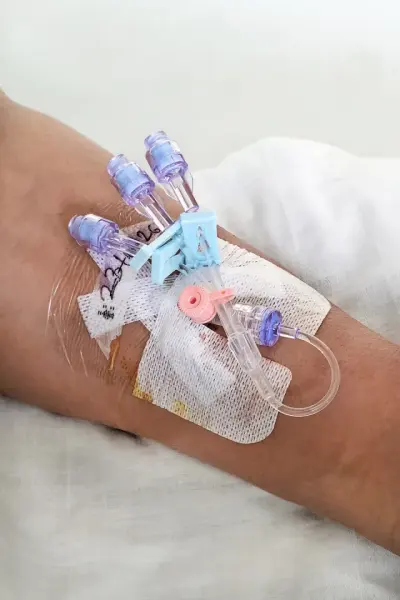
Consumables, sterile supplies & AMC
Basket C — recurring and replaceable, bought through monthly pooled procurement. This is the 'Buy Together Run' model: the layer that turns a one-time equipment sale into long-term recurring revenue, with 57% of PE-owned hospitals wanting consumables purchasing standardised.



Construction Opening next
Equipment first, not materials. Large ticket, fragmented buyers, standardised specs, manufacturers already competing.
Vertical transport & climate
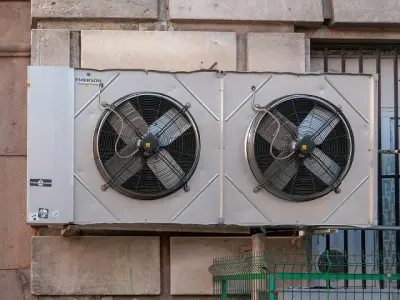
The two categories he ranks 1 and 2 — big-ticket mechanical systems with specs standard enough to aggregate and manufacturers willing to bid for volume.

Power & energy
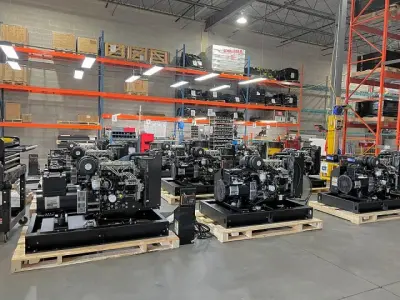
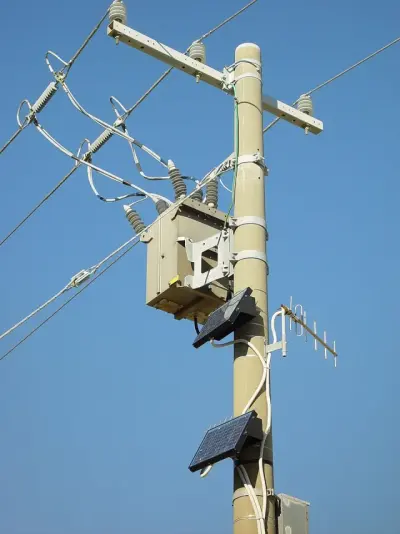
Solar and DG sets are in the launch five; transformers and panels are the first wave he adds after them.
 Poolable
 Poolable
 Poolable
Fire, water & plumbing
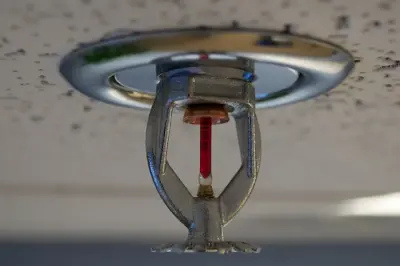
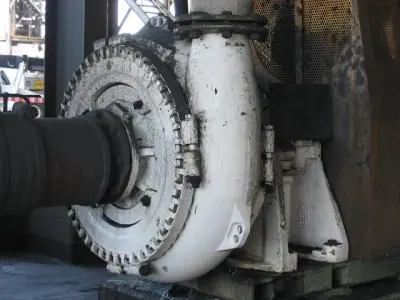
Fire-fighting is a launch-five pick riding the domestic-manufacturing incentive; pumps follow; sanitaryware waits.
 Poolable
 Poolable
 Poolable
Building envelope & fit-out
Decent tickets and real aggregation potential, but none of these make the opening five — facade enters late in the sequence, tiles are explicitly deferred.
 Poolable
 Poolable
 Poolable
Plant & bulk materials
The heaviest tickets and the weakest fit. Construction equipment is worth having; cement, steel and hardware are exactly the commodity fight he refuses to pick with Birla Pivot.
 Poolable
 Poolable
 Poolable
 Poolable
Education Planned
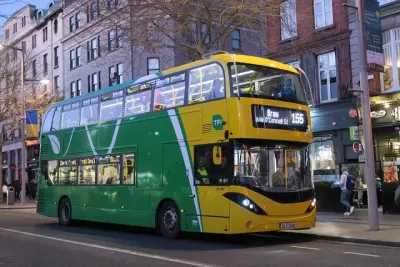
Schools buy buses a few at a time and negotiate alone every time, so the same vehicle carries a different price at every gate.
Student Transport & EV Conversion
Email 1 sizes the school-bus opportunity with each school negotiating alone; Email 2 turns that fleet into a diesel-to-electric retrofit cooperative with battery ownership separated from bus ownership.



Laboratory & Skills Training
Email 1 names laboratory equipment as an institutional extension; Email 4's medical-college table is the only place the corpus itemises teaching labs (pathology, microbiology, anatomy, nursing skills labs).
 Poolable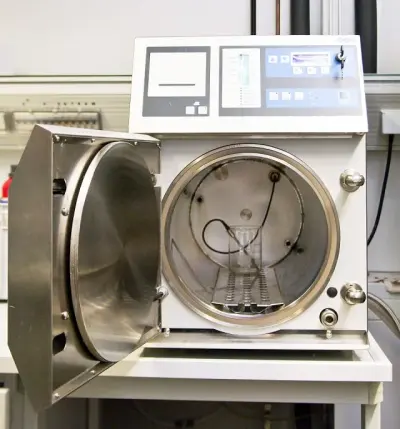
Smart Classrooms & Campus IT
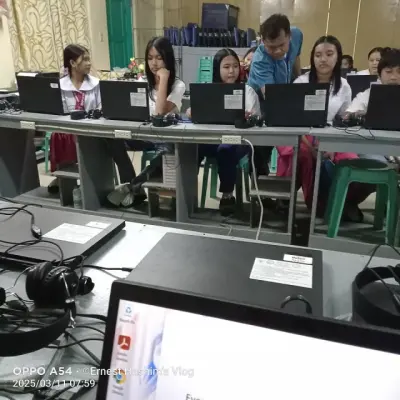
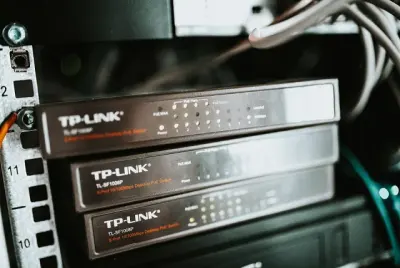
Email 1 lists computers and smart classroom equipment as direct extensions of the school-bus model; Email 4 breaks IT into computers, printers, networking and digital displays.

Furniture & Hostel
School furniture is named in Email 1; the hostel line (furniture, mattresses, appliances) and housekeeping category come from Email 4's college procurement table.


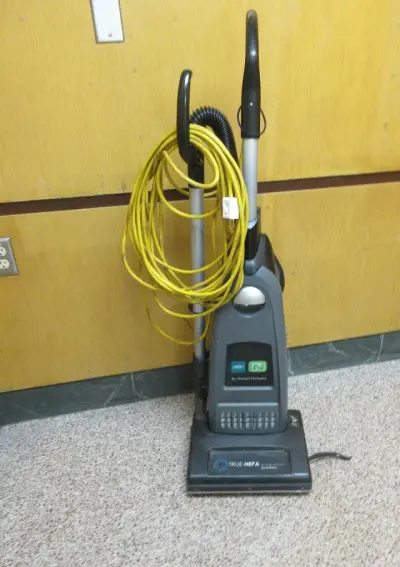
Campus Energy & Building Services
Solar power systems appear in Email 1's founding list; Email 12 ranks solar, DG sets and elevators among the top group-buy categories and supplies the only rupee ranges in the corpus.
 Poolable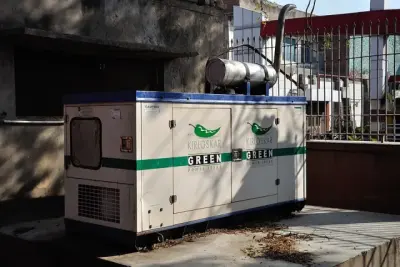
Hospitality Planned
Standardised back-of-house equipment bought property by property, at property-by-property prices.
Kitchen & Utilities
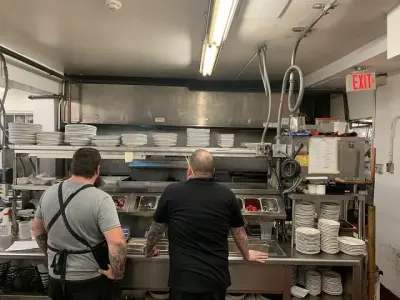
Hospitality is the thinnest vertical in the corpus. Modular kitchens and pumps/water systems are ranked in Email 12's construction table; refrigeration is inferred from Email 1's consumer-durables line.
 Poolable
 Poolable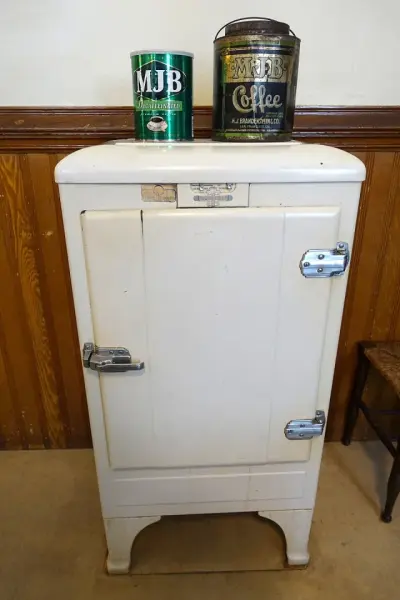
Guest Rooms & Housekeeping
Linen and housekeeping appear as pooled categories in Emails 3 and 4; sanitaryware and tiles carry Email 12 ticket ranges but are ranked "good later" and "later" respectively.
 Poolable
 Poolable
Building Services & Guest Transport
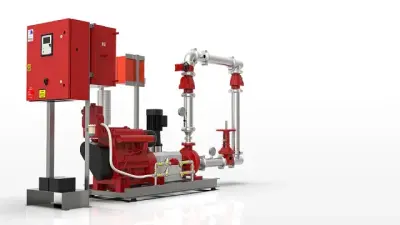
Email 12 names hotels explicitly only once — as HVAC demand alongside hospitals, offices and apartments. Elevators and fire-fighting come from the same ranking; guest transport extends Email 1's commercial-vehicle line.
 PoolablePoolable
 Poolable
What collective buying power is worth
Worked on a CT scanner, where supplier concentration makes the bulk purchase arithmetic clearest.
Modelled on a pooled CT scanner purchase; bands run to 20%+ above twenty machines.
On a Rs. 1.5 crore CT package across a ten-institution pool.
Competition Commission of India finding — concentration is why OEM-versus-OEM bidding works.
These are modelled figures, not results. buytogethr is pre-launch and has not closed a pool. Equipment costs shown across the catalogue are the founder’s own broad Indian-market planning ranges — not quotations, and not offers.
Three ways in
Whether you are opening a facility, already running one, or refilling a store every month.
New facility launch
Plan, build, equip and launch a new facility at group-negotiated prices — from the doctor’s idea to the first patient, with equipment planning starting at the project stage.
Collective procurement
Join an open pool for equipment you were going to buy anyway. Your requirement is aggregated with other institutions buying the same thing in the same window.
Recurring supply
Consumables, spares and annual maintenance contracts on a standing pool that re-runs each cycle, so the saving repeats instead of being negotiated once.
Every institution should buy at the price a large one pays.
A nursing home in one district and a nursing home in the next buy the same ventilator in the same quarter, and neither knows the other exists. Both negotiate alone, and both pay for it.
The problem is not that institutions want to buy cheaply. It is that they want to buy on a standard — a specification they can defend, a supplier who will still be there in year seven, a price they can show a board. Fragmentation takes all three away.
buytogethr exists to put those requirements back together. Pooled procurement gives an ordinary nursing home the collective buying power a large hospital chain already has, so it enjoys the price advantage traditionally reserved for big organisations. You are not negotiating alone.
Never take title
We do not buy, resell or hold stock. The manufacturer supplies you directly, and the warranty is between you and them.
Never hold your money
There is no platform escrow. Any booking advance goes straight into the OEM’s or dealer’s account, never ours.
Never trade specification for price
Technical qualification happens before any price is opened. A bidder who fails the spec does not compete on cost.
Never split into separate companies
One engine serves all four departments. Healthcare goes first because it is hardest, not because the others differ.
Questions we actually get asked
If something here is unclear, it is a fault in how we have explained it — say so when you enrol.
What is buytogethr?
A group purchasing organisation and reverse-auction procurement platform for Indian institutions — a group buying platform for hospitals, nursing homes, builders, schools and hotels rather than for consumers. Hospitals, builders, schools and hotels that intend to buy the same equipment in the same window register their requirement; buytogethr pools those requirements, qualifies suppliers, runs a reverse auction, and each institution then buys directly from the manufacturer.
How does buying together make it cheaper?
A single nursing home buying one CT scanner has no leverage. Forty of them buying one each represent a forty-machine order, and manufacturers price that very differently. Pooling converts forty separate negotiations into one competitive tender, without anyone having to buy more than they need.
What does it cost to join?
Founding membership is free for the first 1,000 institutions to join, and stays free through your first pool. Separately and always, buytogethr takes no cut of your purchase, holds no escrow and never handles your money — any booking advance goes directly into the manufacturer or dealer account.
If I join a pool, am I committed to buy?
No. Registering a requirement is a statement of intent, not an order. Nothing is committed and nothing is paid when you join, and you are under no obligation to accept the negotiated price when it comes.
Who do I actually buy from?
The manufacturer or its authorised dealer. Each institution raises its own purchase order against the negotiated price. buytogethr never takes title, never holds stock and is not a party to your purchase — your warranty and service contract are with the supplier.
How are suppliers chosen?
Technical qualification comes before price. Suppliers are assessed on manufacturer authorisation, past performance, end-user certificates, financials and demonstration. Only bidders who pass enter the price competition, which is an online reverse auction with a minimum decrement and an anti-sniping extension. The award is made on ten-year total cost of ownership — machine, installation, software, accessories, transport, insurance, taxes, warranty, maintenance contract, consumables, uptime and training — not on the lowest sticker price.
Can suppliers and dealers join?
Yes, free. OEMs, authorised distributors, dealers and service or AMC providers can request onboarding through the same interest list. Registering is not an award: every supplier is qualified on authorisation and performance before any price competition begins.
Is buytogethr operating yet?
Not yet. buytogethr is pre-launch and no pool has closed. The first healthcare pools are forming now. Every price range and saving figure shown on this site is a modelled planning figure from our own research — not a quotation, not an offer, and not an achieved result.
How is this different from a consumer group-buying or deals site?
Nothing here is a deal, a coupon or a flash sale. buytogethr aggregates the capital-equipment requirements of institutions — a Rs. 1.5 crore CT scanner, a bank of elevators, a fleet of school buses — writes one technical specification, qualifies suppliers on manufacturer authorisation and past performance before any price is opened, and runs a reverse auction awarded on ten-year total cost of ownership. Consumer group buying discounts a product someone already stocks; collective purchasing of this kind changes how a tender is run.
What is a group purchasing organisation, and is buytogethr one?
A group purchasing organisation aggregates the buying requirements of many independent members so they can negotiate as a single large customer. buytogethr is one, for Indian institutions, with two differences from the traditional model: it never takes title to goods or holds inventory, and it never handles purchase money — each member raises its own purchase order directly with the manufacturer.
How can a hospital get bulk purchase pricing on a single machine?
By buying at the same time as other hospitals buying the same machine. A manufacturer prices a forty-unit order very differently from a one-unit order, and pooling converts forty separate negotiations into one competitive tender. Each institution still buys only the single unit it needs and raises its own purchase order — bulk purchase pricing without a bulk purchase order.
How do hospitals in India buy equipment together?
Institutions that intend to buy the same equipment in the same window register the requirement. Once enough demand is aggregated, one standardised technical specification is written so every bidder quotes the same machine, suppliers are qualified on manufacturer authorisation and past performance, and only the technically qualified enter an online reverse auction. The award is made on ten-year total cost of ownership, and each institution then contracts directly with the manufacturer.
What is collective purchasing for institutions?
Collective purchasing is several independent institutions combining their requirements into one procurement so they hold the collective buying power of a much larger buyer. It is the model state medical-supply corporations use for public hospitals; buytogethr runs the same engine for private hospitals, nursing homes, medical colleges, builders, schools and hotels.
What is a reverse auction, and why use one for medical equipment?
In a reverse auction the buyers state what they need and qualified suppliers bid the price down, rather than buyers bidding a price up. It suits medical equipment because the specification can be standardised, so bidders compete on identical scope. Crucially, technical qualification comes first: only suppliers who pass on manufacturer authorisation, past performance and demonstration are allowed to compete on price, which is what stops a reverse auction becoming a race to the cheapest inadequate machine.
Does buytogethr serve individual consumers or small quantities?
No. The buyers are institutions — hospitals, nursing homes, clinics, medical colleges, builders, architects, contractors, schools, colleges, hotels and resorts — and the catalogue is capital equipment, consumables and annual maintenance contracts. An individual buying one item for personal use is not what this is built for.
Why award on ten-year total cost of ownership instead of the lowest price?
Because the sticker price is a small part of what a machine costs. The award weighs the machine, turnkey installation, software, accessories, transport, insurance, taxes, the three-year warranty, the seven-year maintenance contract, consumables such as tubes, guaranteed uptime and training. A lower quoted price with an expensive maintenance contract is not the cheaper machine, and judging on ten-year cost is what prevents that trade.
Founding membership — free for the first 1,000.
The first 1,000 institutions and suppliers to join become founding members, free. Institutions register what they intend to buy; OEMs, distributors and dealers register what they supply. A pool needs both sides.
- Free for the first 1,000 institutions — no card, no fee
- Buyers: no obligation to take the price when it comes
- Suppliers: qualified on authorisation and performance, before price
- Every order is placed directly between the two of you