Echo systems: fix the probe set and licences before price
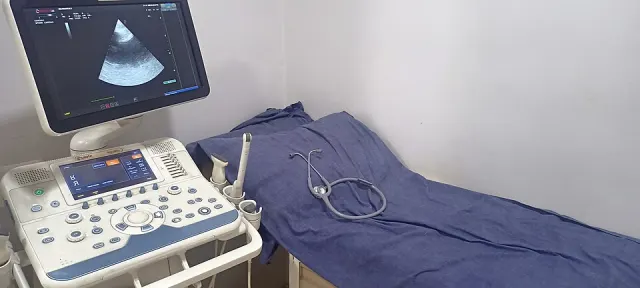
Cardiology echocardiography system with probes and cart.
The range above is an indicative planning figure taken from our own research, not a quotation and not an offer. buytogethr is pre-launch and has closed no pools.
What you are actually buying
An echo system is a cardiac console, a cardiac probe set and the measurement software that makes it an echo machine rather than a general ultrasound. Departments specify for adult transthoracic work and then find they also need a paediatric probe, a transoesophageal probe with its reprocessing equipment, a stress-echo protocol linked to the treadmill, strain analysis and a report format the cardiologists will accept. Quotes diverge on the probe complement, on which advanced analyses are licensed and for how long, and on cine-loop storage and export. The recurring error is buying a general ultrasound console and assuming the cardiac package sits inside it, or omitting the transoesophageal probe and its disinfection chain.
Why echo suits collective purchasing
Echo pools moderately rather than perfectly, and it is worth saying so. The console standardises reasonably and cardiology departments want broadly similar capability, but a cardiologist's attachment to a particular measurement workflow is real and narrows the acceptable field earlier than radiography does. The way to keep a pool honest here is the sequence this process is built around: qualify on written technical compliance and a demonstration with the clinical users first, then admit only the accepted systems to the price competition. Clinical choice survives, and the units that clear the technical stage still face OEM-versus-OEM bidding.
Pin down before price
- Probe complement: adult and paediatric transthoracic, and whether a transoesophageal probe is quoted or optional
- Licences named one by one: strain and speckle tracking, volumetric imaging, stress-echo protocol, contrast
- Stress-echo integration confirmed against the make and model of treadmill in the department
- Transoesophageal reprocessing: leak tester, disinfection method and drying storage cabinet
- Structured reporting output and the DICOM route that carries cine loops into PACS
What drives ten-year cost
- Probe replacement, and the transoesophageal probe in particular, which is the most fragile item and the dearest to replace
- Whether probes and probe repair fall inside the maintenance contract or outside it
- Renewal cost of advanced analysis licences across the working life of the console