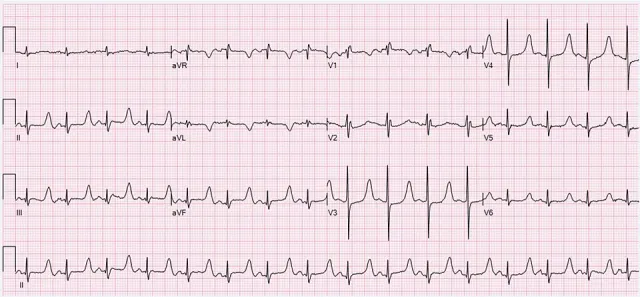
ECG machine — 12-lead recorder cost and specification for Indian hospitals
12-lead recorder for emergency, ICU and cardiology OPD.
The range above is an indicative planning figure taken from our own research, not a quotation and not an offer. buytogethr is pre-launch and has closed no pools.
What you are actually buying
A 12-lead ECG recorder is bought in quantity rather than singly: emergency, ICU, wards and the cardiology outpatient department each need one, and a hospital typically replaces them in batches. The machine itself is a commodity, so quotes separate mainly on the interpretation software, whether the trace is stored and pushed into the record system, print method and paper format, and the quality of the patient cables and electrodes. The recurring cost of paper and leads is easy to overlook at purchase and is often the larger number over the life of the unit.
Why ecg machine suits collective purchasing
This is a case where the ticket is small but the aggregation logic is strong, because the quantity is high and the specification is genuinely standard. A single nursing home ordering four recorders has no leverage; forty institutions ordering together represent a volume a manufacturer prices differently. The recurring consumable — paper and patient cables — is the part worth fixing in a pooled contract, since that is where the ongoing spend sits and where a single institution has the least negotiating position.
Pin down before price
- Number of channels, and whether automatic interpretation is required
- Storage, export format and whether traces must reach the hospital record system
- Print method and paper size, and the cost per roll at the quoted rate
- Patient cable and electrode quality, and their replacement interval
- Battery life and portability where the unit moves between wards
What drives ten-year cost
- Recording paper and electrodes, which recur far beyond the purchase price
- Patient cable replacement, a frequent and often underestimated cost
- Software or interpretation licence renewals where these are charged annually
- Battery replacement across a fleet of units