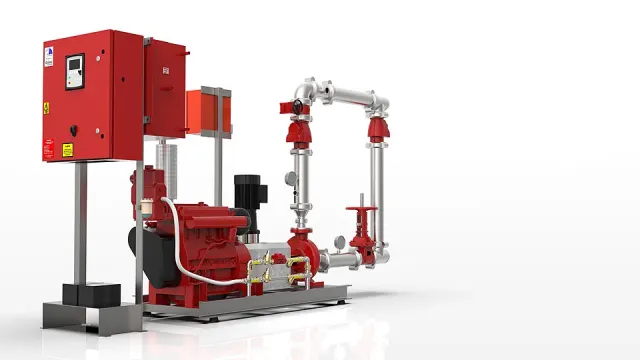
Fire-fighting system — hydrants, sprinklers and pumps for Indian buildings
Domestic-manufacturing push makes this attractive for aggregation.
The range above is an indicative planning figure taken from our own research, not a quotation and not an offer. buytogethr is pre-launch and has closed no pools.
What you are actually buying
A fire-fighting package is a system, not a product: detection and alarm, hydrants, sprinklers, pumps, a static water reserve and the panel that ties them together, all sized by the building's occupancy class and approved by the local authority. Quotes diverge because scope does. One bidder prices the wet system only; another includes detection, the pump house, the reserve tank and the approval drawings. The specification is largely written for you by code, which makes it unusually comparable once every bidder is quoting the same scope, and unusually misleading when they are not.
Why fire-fighting system suits collective purchasing
Fire systems suit aggregation for the reason the founder's own ranking gives them a high place: the specification is set by code rather than by preference, the ticket is substantial, and buyers are fragmented across independent builders and institutions who each procure one system per project. Because compliance defines most of the specification, the qualification stage can be tight without excluding capable suppliers, and price competition then happens across a genuinely identical scope. The annual inspection and maintenance obligation is also recurring, which makes it worth fixing in the same contract.
Pin down before price
- Occupancy class and the code the system must satisfy, stated before bidding
- Exact scope: detection, hydrants, sprinklers, pumps, reserve tank, panel, drawings
- Approval and liaison with the local fire authority, and who carries it
- Pump redundancy and the standby power arrangement
- Annual inspection, testing and certification obligations
What drives ten-year cost
- Mandatory periodic inspection, testing and recertification
- Pump servicing and the cost of a standby power source for it
- Sprinkler head and detector replacement across the building's life
- The cost of non-compliance if certification lapses