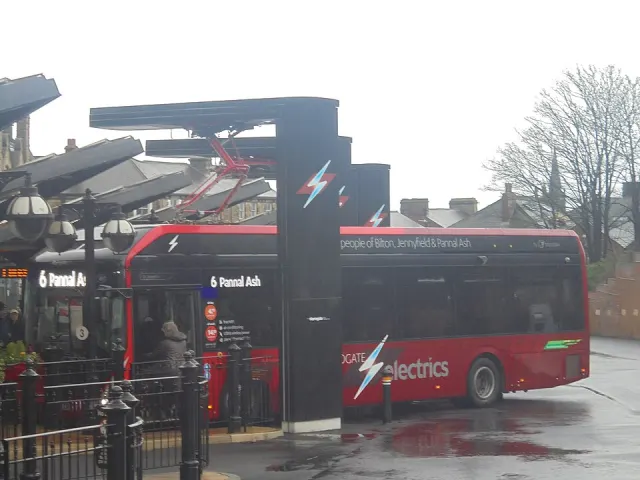
District charging infrastructure shared between school depots
Energy-as-a-Service chargers; owner avoids charging station capital.
The range above is an indicative planning figure taken from our own research, not a quotation and not an offer. buytogethr is pre-launch and has closed no pools.
What you are actually buying
What is procured is a depot, and the electricity supply comes before the chargers. That means sanctioned load and any transformer or substation work, the low-tension panel and cabling, civil work and canopy, chargers at a chosen connector standard and power rating, and the management system that schedules charging overnight. Under an energy-as-a-service arrangement a provider builds and maintains all of it and is paid for energy delivered rather than for equipment. Proposals vary on who bears the grid connection cost, the tariff category applied, availability guarantees, metering, and who holds the site for the term. The recurring mistake is sizing chargers to the bus rather than to the timetable, since what matters is how many buses must be full by the first route.
Why district charging infrastructure suits collective purchasing
Of the four transport items this is the clearest pooling case, because the cost is lumpy and the asset sits idle most of the day. One school with a few buses cannot justify a supply upgrade; several schools sharing a depot, or a common overnight window, can. The provider side prefers it too, since an operator will fund a site backed by committed offtake from several institutions and will not fund one serving a handful of buses. Grouping district by district, as the founder proposes, is also what makes local service, spares and a maintenance presence viable, which scattered single sites never support.
Pin down before price
- Sanctioned load and the supply upgrade required, with responsibility for the connection stated
- Bus count and the window they must all be charged in, which sets charger number and rating
- Connector standard and power rating checked against every bus and every retrofit in the group
- Availability guarantee, maintenance response time, and metering each school can read for itself
- Site tenure, and what becomes of the assets at the end of the contract
What drives ten-year cost
- Tariff category and time-of-day rates, which decide whether overnight charging is cheap
- Demand charges triggered when several buses draw at high power together
- Charger maintenance and eventual replacement, and who carries it under the contract
- The standby arrangement for days the depot supply is out of service