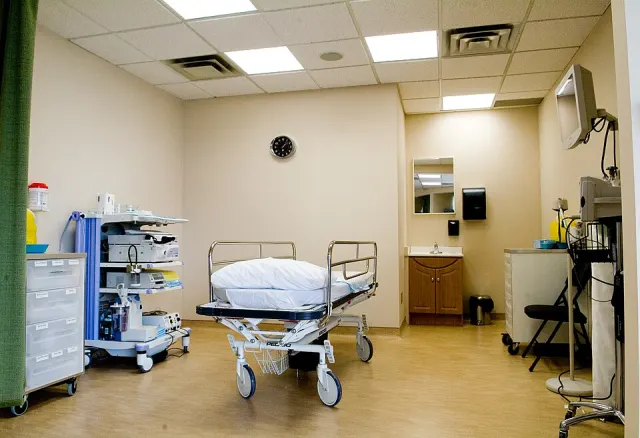
Cystoscopy system: pooled procurement for urology theatres
Endoscopic urology diagnosis, stenting and catheter procedures.
The range above is an indicative planning figure taken from our own research, not a quotation and not an offer. buytogethr is pre-launch and has closed no pools.
What you are actually buying
A cystoscopy purchase is two purchases carrying one price. The tower – camera control unit, light source, monitor, irrigation and documentation – is the part suppliers describe in detail. The scopes, sheaths, bridges, working elements and any resectoscope decide the working life of the system, and are where quotes diverge most. Sterilisation compatibility matters as much as optics: a scope that cannot go through the autoclave the hospital already runs will queue for chemical reprocessing between cases. The common error is comparing towers line by line while the scope inventory, the repair terms and the availability of a loaner during repair stay vague, then finding that one damaged telescope takes a theatre list out of the calendar.
Why cystoscopy system suits collective purchasing
Urology departments in mid-size hospitals buy one tower each, years apart, from a small number of endoscopy manufacturers and their authorised distributors – fragmented demand facing a concentrated supply side, which is the condition pooling exists for. The tower, monitor and documentation chain standardise cleanly across institutions. Scope selection is surgeon-led and should remain so, which makes the practical pooled unit a common tower specification with scope choice left open inside it. The repair contract pools better still: several departments' repair volume is worth a firm commitment on turnaround and loaner cover that no single department can obtain alone.
Pin down before price
- Camera, processor, light source and monitor specified as one imaging chain, not four line items
- Scope inventory listed individually – rigid and flexible, sheath sizes, viewing angles
- Sterilisation method for every scope, matched to what CSSD already operates
- Working element, resectoscope and electrosurgical generator stated as in or out of scope
- Repair turnaround and loaner scope cover written into the bid, not discussed afterwards
What drives ten-year cost
- Scope repair and replacement, the largest recurring line and driven by handling rather than hours
- Light source module, camera head and cable replacement
- Whether the service contract covers the scopes or only the tower
- Reprocessing consumables and the CSSD load each additional scope adds