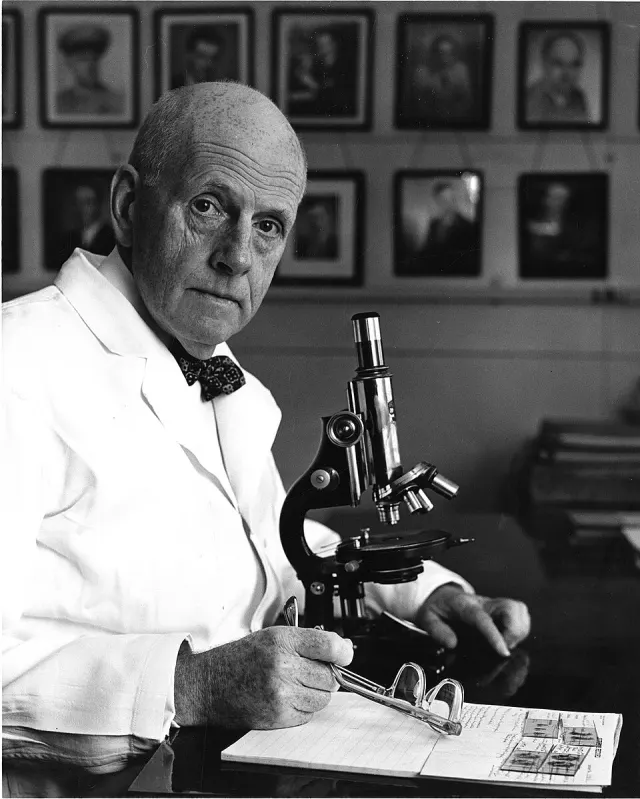
Teaching microscopes and centrifuges for biology and pathology
Pathology and anatomy bench equipment, easily standardised across colleges.
The range above is an indicative planning figure taken from our own research, not a quotation and not an offer. buytogethr is pre-launch and has closed no pools.
What you are actually buying
The unit of purchase is the student station, not the instrument: compound and stereo microscopes in a batch sized to the practical class, plus benchtop centrifuges for the pathology bench. Quotes separate on objective correction class, whether illumination is LED or halogen, binocular against trinocular heads, and the quality of the mechanical stage, which is what fails first under student handling. On centrifuges the divergence is rotor type, tube format, and whether performance is stated as relative centrifugal force for a named rotor or merely as maximum RPM. Specifying RPM is the usual mistake, since protocols are written in RCF and the two only correspond for a given rotor radius.
Why teaching microscopes and centrifuges suits collective purchasing
A strong candidate. The specification standardises almost perfectly, because a first-year practical microscope is defined by the syllabus rather than by local preference, and the same instrument recurs in every institution. Per-institution quantities are large and repeat as batches grow. Supply sits with many importers and assemblers rather than a concentrated set of manufacturers, so the competitive pressure comes from bringing enough qualified bidders to one written specification and holding a bench demonstration before price is opened. Nursing and paramedical laboratories standardise more readily than teaching hospitals, which makes an aggregated specification realistic here.
Pin down before price
- Objective set and correction class, illumination type, and head configuration
- Whether stage, condenser and eyepiece graticules are in the quoted price or extra
- Centrifuge performance stated as RCF for a named rotor, never RPM alone
- Rotors, buckets and adaptors included, plus the listed price of a replacement rotor
- Bench demonstration on the actual model offered, before technical qualification closes
What drives ten-year cost
- Lamps, fuses, rotors and buckets are the recurring spend across a large installed batch
- Annual servicing and optical realignment, priced per instrument at volume
- Rotor life is set by cycles, so replacement is scheduled maintenance rather than failure