Neonatal incubators: specify the level of care before the price
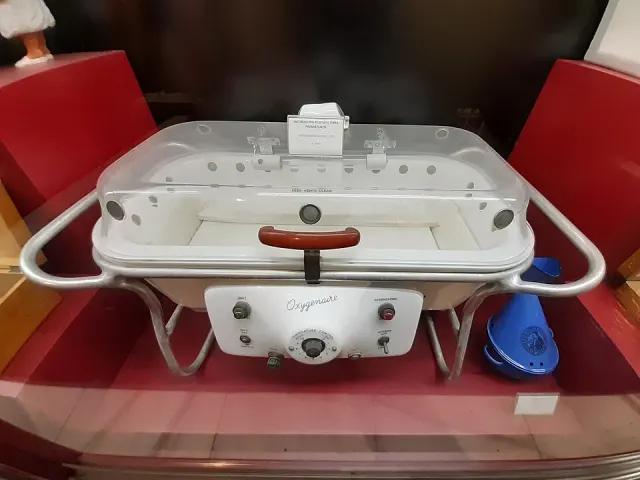
Temperature and humidity-controlled NICU incubator.
The range above is an indicative planning figure taken from our own research, not a quotation and not an offer. buytogethr is pre-launch and has closed no pools.
What you are actually buying
An intensive care incubator controls air temperature, skin temperature, humidity and often oxygen inside a closed hood, and it is a materially different purchase from a recovery or transport incubator. Quotes vary on servo control modes, on how humidity is generated and how the reservoir is cleaned, on whether oxygen control with a sensor is fitted, on double-wall hood construction, on an in-situ weighing scale, X-ray tray, tilt and access port design, and on noise level inside the hood. The mistake made most often is buying to the word incubator rather than to the level of care: a unit specified for recovery ends up in intensive care without servo humidity or oxygen control, and no accessory retrofits that.
Why incubator suits collective purchasing
Neonatal equipment sits in the middle band, where group purchase and a maintenance contract belong together. The specification standardises well once the level of care is settled, and neonatal units across institutions converge on similar requirements. Supplier concentration is enough for competition to bite, and the item is sophisticated enough that procurement should follow the full sequence: technical qualification on documents, a demonstration with the neonatal team, then price restricted to qualified bidders. Institutions buy in ones and twos on their own and in useful numbers together, which is precisely the gap a pool closes.
Pin down before price
- Level of care stated explicitly: intensive care, recovery or transport
- Servo control of air and skin temperature, humidity and oxygen
- Humidity reservoir design and the cleaning and disinfection routine it needs
- Hood construction, access ports, noise level, tilt, X-ray tray, weighing scale
- Battery hold-up for movement within the hospital
What drives ten-year cost
- Oxygen sensors, air filters and humidity reservoir parts on a fixed schedule
- Calibration and preventive maintenance across the warranty and CMC years
- Hood, gasket and mattress replacement