Fire-fighting systems: pooled buying against one design standard
Launch five; government domestic-manufacturing push covers firefighting equipment.
The range above is an indicative planning figure taken from our own research, not a quotation and not an offer. buytogethr is pre-launch and has closed no pools.
What you are actually buying
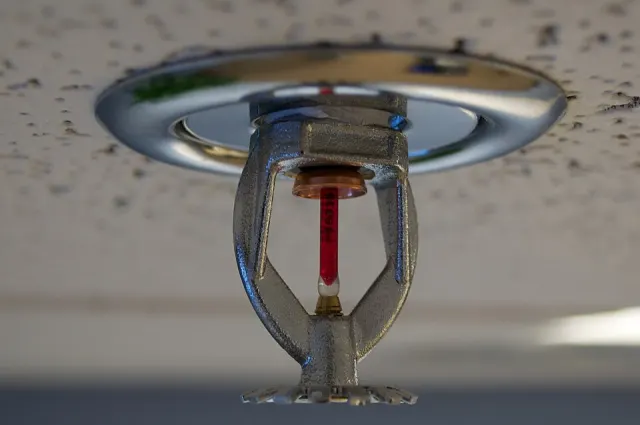
What is bought is a designed system, not a list of components: detection with its panel, zoning and cause-and-effect logic; suppression through sprinklers, hydrants, hose reels and extinguishers, with gas suppression where server and switch rooms require it; a pump house with main, standby and jockey pumps; static water storage; the pipework; and the statutory approval. Bids differ on the hazard classification the design assumes, the standard being followed, pipe material and class, pump duty points, panel type and whose scope the drawings, approvals and testing fall into. The common error is buying components against someone else's bill of quantities while nobody owns the hydraulic design, so no single party is answerable for the system passing its flow test.
Why fire-fighting systems suits collective purchasing
Fire-fighting is among the categories we intend to open first, and the regulatory baseline is exactly why. The design follows occupancy class and statutory standards, so the specification is largely written for you and varies less between institutions than almost anything else in a fit-out. Buyers are fragmented and generally reach the market through local contractors, while pumps, panels, detectors and sprinkler heads come from a concentrated set of manufacturers. A group can therefore fix the design standard and the approved makes and put the equipment to those manufacturers together, while installation stays site by site.
Pin down before price
- Occupancy and hazard classification, the standard the design must satisfy, and the hydraulic calculation as a named deliverable
- Pump house schedule: main, standby diesel and jockey duty points, and the basis for the static storage volume
- Detection panel type, zoning and the cause-and-effect matrix agreed before ordering
- Pipe material, class and jointing method, with listed and approved makes for sprinklers and detectors
- Who obtains the fire NOC, and who performs flow, pressure and functional tests at handover
What drives ten-year cost
- The contract that keeps a dormant system ready: pump exercising, detector testing, panel battery replacement
- Extinguisher recharging and the periodic hydrostatic testing of cylinders
- Diesel pump fuel, batteries and starting system upkeep, whether or not the pump ever runs in anger
- Redesign and re-approval whenever the layout or the occupancy of the building changes